

Pastimes - Mini Games
Puzztime!
I spent time with Pastimes - Mini Games as a casual trivia game from Puzztime!, and my first impression was that it is designed for small breaks rather than long, demanding sessions. Its appeal is easy to understand: you can open it when you want something light, work through a few familiar-style challenges, and leave without committing to a large adventure or a complicated competitive system. That makes it a potentially comfortable choice for families, casual players, and anyone who prefers relaxed mental activity on a phone.
The important question is not whether it offers the deepest trivia experience. It does not seem aimed at that audience. The better question is whether a collection of short pastimes fits the way you like to play. I would consider it when I want variety without a large learning curve, but I would look elsewhere if I needed a focused quiz platform, a serious knowledge test, or a game built around long-term strategic progression.
How I would decide whether it fits
I would begin with the time I normally have available. A game described as a set of relaxing mini games is most useful when I have a few spare minutes: waiting for an appointment, taking a quiet break, or winding down before bed. It is less suitable if I want a single, substantial session with a clear story, a detailed campaign, or a highly competitive ladder. The format matters more than the simple fact that it is free.
I would also think about who will use it. The Everyone content rating makes it easier to consider for shared family use, although an age label alone does not tell me whether every individual challenge will interest every player. Younger players may enjoy the quick format, while adults may prefer it as a gentle way to keep their minds occupied. For a group, the best use is likely passing the phone around or solving prompts together rather than expecting a full party-game system.
Another decision point is tolerance for repetition. Mini-game collections can be convenient because they offer several kinds of short activity, but that convenience can also make the experience feel less focused than a dedicated trivia app. If I want only general-knowledge questions, I would choose a specialist quiz product. If I want word puzzles, I would choose a game built around words. Pastimes - Mini Games makes more sense when I value having different casual activities in one place.
Related News






The public response gives the game a useful starting point. It holds an average rating of 4.4 from around 6,400 ratings, with more than 400 written reviews, and it has passed 500,000 installs. Those figures suggest that the concept has found a meaningful audience, but I would not treat popularity as a substitute for checking whether the style matches my habits. A broad audience can include people looking for very different things.
Device compatibility is another practical consideration. The listed minimum operating system is Android 7.1, so people using older supported phones may still be able to try it. The current version is 6.1.2, which is useful to know when checking that the installed copy is up to date. I would install it on the phone I actually plan to use, rather than assuming that an older device will feel equally smooth simply because it meets the minimum requirement.
What the first few sessions are really for
I would use the opening sessions as a test of rhythm, not as a final judgment after one round. The key things to notice are whether the mini games feel distinct enough, whether the questions or tasks suit the people playing, and whether the pace feels relaxing rather than hurried. A short collection can be enjoyable even when no individual activity becomes a new favorite, provided the rotation keeps the experience fresh enough.
Gallery
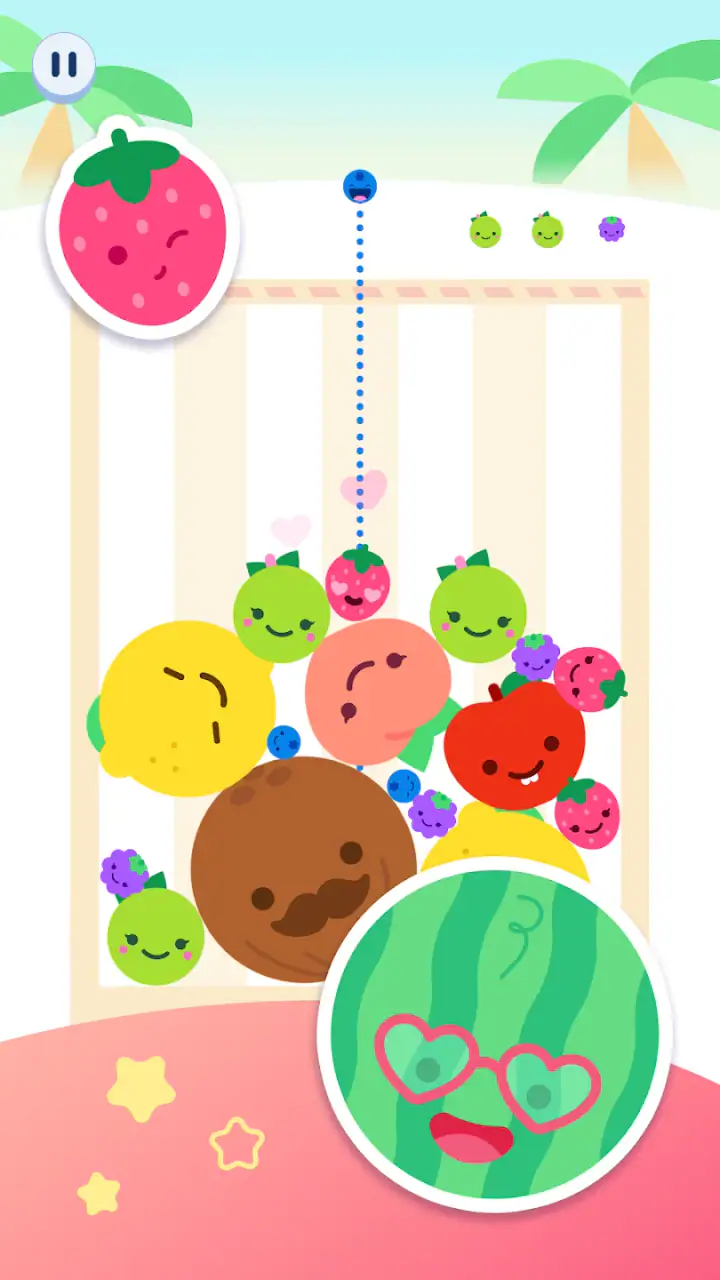
One practical tip is to play it at three different times of day. A game that feels pleasant during a quiet afternoon may feel too mentally active when I am tired, while an activity that seems simple at home may be ideal during a commute or a waiting period. This small test helps reveal whether the game is genuinely convenient or merely attractive in theory.
Where Pastimes - Mini Games wins
The strongest point is its low commitment. I do not need to learn a large set of rules before deciding whether I am enjoying myself. That makes the game approachable for someone who rarely plays mobile games, and it also makes it easy to recommend to a friend who wants a little stimulation without installing a large, demanding title.
I especially like the idea of using it as a transition activity. After finishing work, I may not want another serious task, but I may also not want to scroll aimlessly. A few trivia-style mini games can occupy that middle ground. The activity gives me something to focus on while keeping the stakes low. That is a more specific strength than simply calling it “casual”: it can fill the awkward gap between being busy and being ready to relax.
The family angle is also more convincing here than it would be for a niche quiz game. Because the content rating is Everyone and the format is based on short pastimes, it is easier to imagine different ages taking turns. I would not assume that every challenge works equally well for a mixed-age group, but the collection format gives a family more chances to find a comfortable shared activity than a narrowly specialized game would.
Another advantage is variety within a single download. Usually, choosing between trivia, word games, memory activities, and other simple puzzles means installing several separate apps. A mini-game collection reduces that friction. I can try a different activity when one type stops being interesting, instead of abandoning the whole app immediately. That is particularly useful on a phone with limited patience, limited storage, or a user who dislikes managing a crowded home screen.
My most useful workflow would be to treat the game as a rotating break rather than a title I must complete. I would play one or two activities, stop while they still feel pleasant, and return later. This avoids turning a relaxing collection into another endless feed. It also makes it easier to notice which pastimes I genuinely enjoy and which ones I only open because they happen to appear first.
There is a subtle benefit in that approach: the game can work as a social prompt. If I am with a family member or friend, I can ask them to solve a challenge before I do, compare answers, and use the result to start a conversation. A dedicated solo trivia app may offer more depth, but a mixed collection can be better at creating small moments of shared participation.
It is also a sensible option for people who want a free entry point. The game is free to download, so I can evaluate the basic experience without paying before I know whether the style suits me. That matters with a broad collection because the value depends heavily on personal taste. I would rather test the rhythm first than commit money to a specialized game whose subject matter may not hold my attention.
Small habits that improve the experience
I would avoid treating every result as a score that needs to be optimized. Trivia games can become frustrating when I focus only on mistakes, especially when I am playing to relax. A better habit is to notice which topics or formats make me curious and use those moments as a reason to return. The game is at its best when it feels like a light mental reset, not an examination.
I would also keep it separate from serious study. It may encourage recall and concentration, but a casual mini-game collection is not a replacement for a structured learning course or a dedicated educational tool. That distinction prevents disappointment. I can enjoy a question because it makes me think without expecting the app to build a complete curriculum around the answer.
For family use, I would set a simple turn-taking rule before opening it. Without one, the quickest or most confident player can dominate, which undermines the relaxed appeal. Letting each person choose when to pass the phone makes the collection feel more inclusive and gives quieter players a reason to participate.
Where another category may fit better
Pastimes - Mini Games is not the best choice for every trivia fan. If I want a large, clearly organized knowledge challenge, a dedicated trivia app is likely a better fit. Such an alternative may keep its identity focused on questions, categories, and answer performance, while this game’s broader appeal comes from moving between different kinds of pastime. The trade-off is simple: specialization can provide depth, while variety provides flexibility.
I would also choose a word-game specialist if my main goal were vocabulary practice, spelling, or a daily word routine. A mixed collection may offer a pleasant change of pace, but it is unlikely to satisfy someone who wants one carefully refined puzzle loop. Likewise, a traditional puzzle game may be preferable for players who enjoy planning several moves ahead rather than answering short prompts.
People who want a strong competitive community should look carefully before switching to this game. A casual collection is a poor substitute for a product built around live matches, rankings, or persistent multiplayer rivalry. I would recommend Pastimes - Mini Games to someone who wants to play beside other people, not necessarily against a large online field. That difference can decide whether the game feels welcoming or underpowered.
Players seeking a story, character development, or a sense of adventure should skip it. The appeal here is the individual pastime, not a narrative destination. Installing it with the expectation of discovering a campaign would be a category mistake. I would rather choose a story-driven game immediately than ask a relaxed trivia collection to provide emotional progression it was not designed to deliver.
There is also a possible issue for people who dislike collections with uneven favorites. In a package of mini games, one activity may feel immediately intuitive while another may seem less appealing. That is normal for the format, but it means the whole product is judged by the weakest moments as well as the strongest ones. A single-purpose app can feel more polished simply because every screen supports the same central idea.
Free does not mean friction-free
The free price makes trying the game easy, but the presence of in-app purchases changes how I would approach it. Individual items range from $0.49 to $14.99, so I would avoid buying anything during the first session. I would first establish whether I return naturally, whether the free experience gives me enough variety, and whether a purchase solves a problem I actually have rather than an impulse created by the moment.
This is one of the clearest costs of switching from a paid or single-purpose alternative. A free collection lowers the entry barrier, but I may spend more attention deciding what is worth purchasing. With a paid game, the financial decision happens earlier and the product’s structure is often easier to understand. With this model, I would set a personal spending limit and treat optional purchases as a convenience, not as a requirement for enjoying the basic concept.
I would also consider the cost of attention. Moving between several activities can be refreshing, but it can encourage me to keep opening the app whenever I have a spare minute. My solution would be to use a clear stopping point: one short session during a break, then close it. That keeps the game in the role I want rather than allowing it to become another source of passive screen time.
Switching from a dedicated trivia app may involve a different kind of adjustment. I would lose the narrow focus and possibly the satisfaction of mastering one specific format, but I would gain a wider set of casual options. Switching from a puzzle collection would work in reverse: I would gain trivia-oriented variety but might lose the deeper concentration that comes from one consistent puzzle system. The right choice depends on which part of my current app I value most.
For a household, the switching cost is lower if several people already enjoy different types of small games. One installation can become a shared option instead of asking everyone to agree on a single specialty. For a solo player with a very specific preference, the cost is higher because unused activities may make the collection feel less efficient than a focused alternative.
My recommendation after weighing the trade-offs
I would recommend Pastimes - Mini Games to casual players who want a free, approachable collection for brief sessions, especially families and people who enjoy changing activities rather than repeating one puzzle type. The Everyone rating, broad install reach, and favorable average response make it a reasonable app to try, but the real reason to choose it is its low-pressure format. It is a companion for spare moments, not a replacement for a serious trivia platform.
My strongest recommendation is to test it with a specific use case. Install it for a quiet evening, a family break, or a waiting-room routine. Notice whether the variety helps you stay interested and whether the tone feels genuinely relaxing. If you find yourself wishing every activity were more specialized, that is a clear sign to move to a dedicated trivia, word, or puzzle app instead.
I would skip it if I need deep subject coverage, a story campaign, intense competition, or a carefully structured learning path. Those needs call for a different category, and choosing the wrong format will make even a well-liked game feel disappointing. I would also be cautious about purchases until I know whether I return regularly; free access is valuable precisely because it lets me make that decision without pressure.
Overall, Puzztime! has built a sensible option for people who want light mental entertainment in a flexible package. It does not need to be the most demanding game on my phone to be useful. When I use it as a short, shared, low-stakes break, it makes a good case for itself. The best reason to install it is not maximum depth, but convenient variety without a large commitment.
FAQs for Pastimes - Mini Games
What is Pastimes - Mini Games?
Pastimes - Mini Games is a casual entertainment app that brings together a selection of short, easy-to-play mini-games designed for quick breaks. Instead of requiring long sessions or complicated controls, it focuses on simple challenges that can be enjoyed at your own pace. It may suit users looking for lightweight offline or low-commitment entertainment, depending on the specific game and device configuration.
Is Pastimes - Mini Games free to download and play?
The app can generally be downloaded at no initial cost, but availability of advertisements, optional in-app purchases, or premium features may depend on the version and platform. Before installing, users should check the official Google Play Store or Apple App Store listing for current pricing details. Reviewing the purchase and advertising information is especially important if children will be using the application.
Can I play Pastimes - Mini Games without an internet connection?
Many mini-games are commonly designed for convenient, on-the-go play and may work without a continuous internet connection. However, certain features—such as advertisements, updates, online rankings, account synchronization, or analytics—could require access to the internet. We recommend opening each game once while connected, then testing airplane mode to confirm which activities remain available offline on your device.
Is Pastimes - Mini Games suitable for children?
The simple format and casual gameplay can make Pastimes - Mini Games appealing to children, but parents should still review the app’s age rating, advertisements, and possible in-app purchases before allowing unsupervised use. Some mini-games may be perfectly family-friendly, while advertising content or external links can vary. Parental controls and purchase restrictions are advisable on shared devices.
What devices are compatible with Pastimes - Mini Games?
Compatibility depends on the release available for Android or iOS and the minimum operating-system requirements shown in the official store listing. Most recent smartphones and tablets should be supported, although older devices may experience slower loading, reduced performance, or limited access to newer features. Check the app’s store page before downloading, particularly if your device has limited storage or an outdated system.
Pros
- Quick mini-games are ideal for short breaks or casual play.
- Simple controls make the app accessible to players of different ages.
- The variety of activities helps prevent the experience from feeling repetitive.
- Lightweight gameplay is suitable for devices with limited storage or power.
- Offline access makes it convenient when an internet connection is unavailable.
Cons
- Some mini-games may feel too basic for experienced players.
- Limited depth can reduce long-term appeal after the initial sessions.
- Ads may interrupt gameplay or appear frequently between activities.
- Progression and rewards may feel less motivating without clear goals.
- Performance can vary depending on the device and installed operating system.


